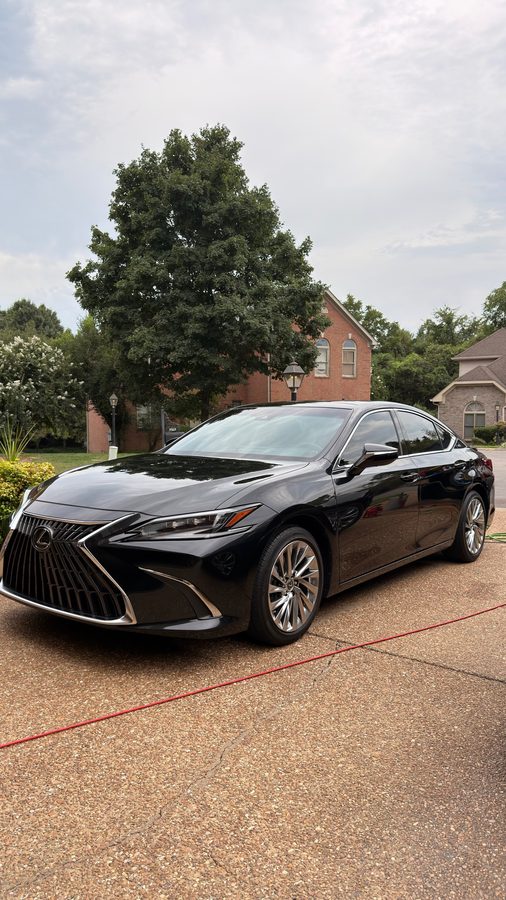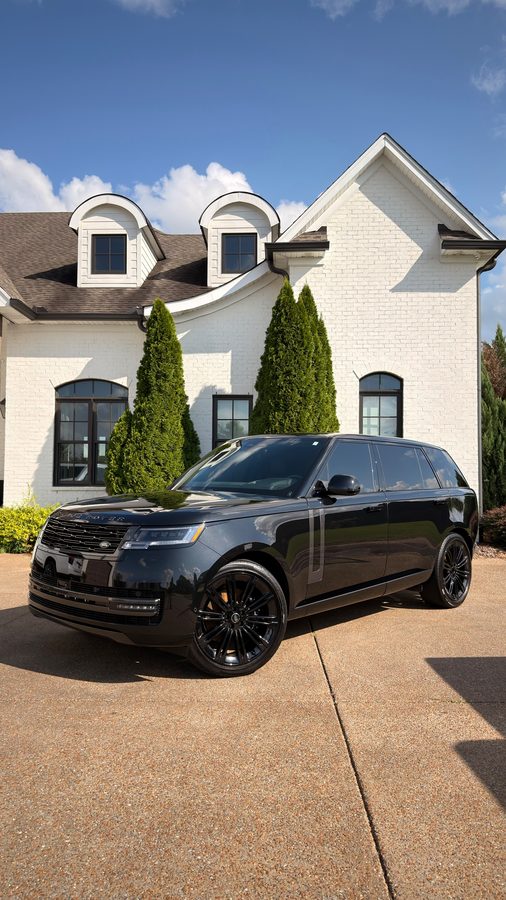
What paint correction is
Paint correction is machine polishing. Using a dual-action polisher, graduated compounds and polishes, and a lot of light, we level the clear coat by a microscopic amount so the defects living in its surface disappear and the paint reflects like glass again.
It is the only thing that actually removes swirl marks. Washing doesn't. Waxing doesn't. A ceramic coating doesn't. Those hide or seal — correction fixes.
What it fixes
- Swirl marks — the spider-web scratches you see in sunlight, almost always from automatic car washes or dirty wash mitts.
- Haze and marring — the dullness that makes black paint look grey.
- Oxidation — faded, chalky paint from years of sun.
- Water spots — mineral etching from sprinklers and hard water left to dry.
- Light scratches — the ones you can't feel with a fingernail.
- Buffer trails and holograms — left behind by someone else's rushed polish.
What it can't fix
If a scratch catches your fingernail, it has gone through the clear coat. Polishing can soften its edges but can't remove it — that's paint or a body shop. Rock chips, peeling clear coat, and failing factory paint are also outside what polishing can do. We will tell you this on inspection, not after you've paid.
We also don't promise a percentage. "95% defect removal" sounds precise; it isn't, until someone has looked at your specific paint under a light. Our quote comes with an honest description of what you'll get.
Enhancement vs. full correction
| Paint enhancement (one step) | Full correction (multi step) | |
|---|---|---|
| Best for | New or well-kept paint; pre-coating prep | Neglected, swirled, or oxidized paint |
| What it does | Removes light swirls, restores gloss | Removes most defects, then refines |
| Time | Half a day, roughly | A full day or more |
| Follow with | Ceramic coating or sealant | Ceramic coating — you'll want to keep it |
Why price depends on condition
Two identical cars can need very different amounts of work. One has been hand-washed for three years; the other has been through a brush wash weekly. The second one needs more passes, more time, and more care around thin spots. That's why paint correction is priced by condition — we look, then quote. A photo of the paint in direct sun gets us most of the way to a number by text.
The process
- Inspection. Under a light, we map the defects and check paint thickness where it matters.
- Wash and decontamination. Iron remover, tar remover, clay bar. Polishing dirty paint just makes new scratches.
- Test spot. We dial in the pad and polish on one panel so you can see exactly what you're getting before we do the whole car.
- Correction. Panel by panel, checked under lighting as we go.
- Protection. Freshly corrected paint is bare — it needs a sealant at minimum, and ideally a ceramic coating so the work lasts.
Where we work
Paint correction is done at your location — a garage is ideal, a shaded driveway works — throughout Hendersonville, Gallatin, Nashville, and surrounding Middle Tennessee communities.
Questions we get asked
-
It removes the ones that live in the clear coat: swirls, haze, light scratches, water spots. Scratches deep enough to catch a fingernail have gone past the clear coat and need a body shop. We'll tell you which is which on inspection.
-
Yes, when it's done with measurement and restraint. We remove the minimum clear coat needed and check thickness on suspect areas. What's unsafe is aggressive compounding by someone in a hurry — that's where burned edges and holograms come from.
-
Almost always. Corrected paint is bare and will swirl again with the first bad wash. A coating protects the work you just paid for, and a coated car is much easier to keep swirl-free.
-
A one-step enhancement is roughly half a day. A full multi-step correction on a neglected vehicle can be a full day or more. We don't rush it.
-
Gelcoat oxidation removal is a related but different process. See our boat detailing page and text us with the boat — we'll tell you what's realistic.