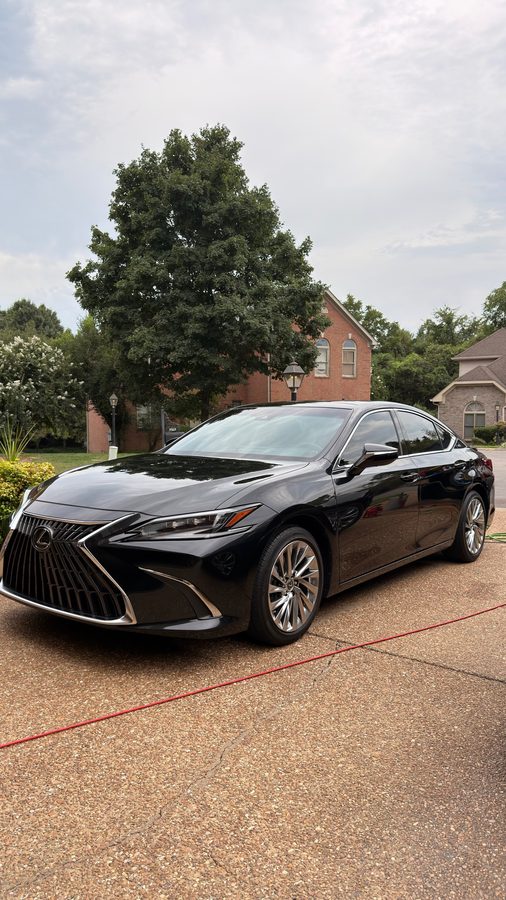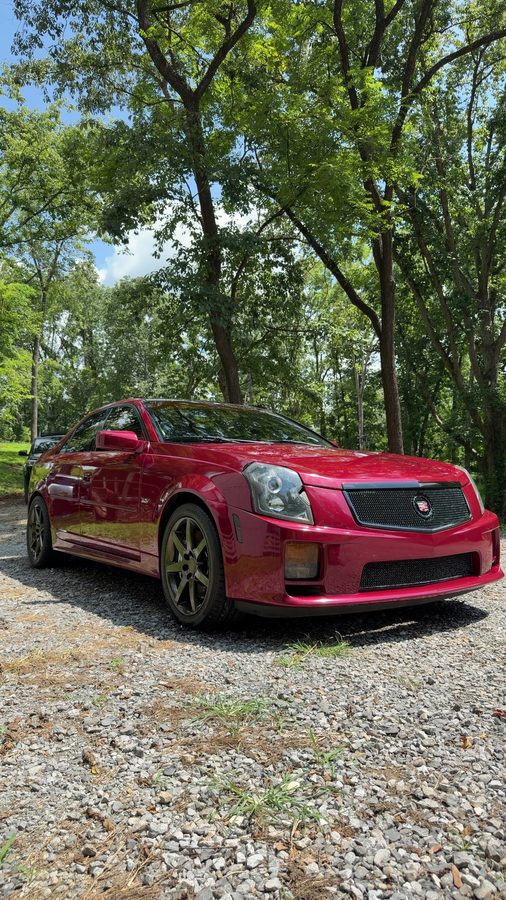
Spring: pollen
From late March through May, tree pollen coats every outdoor vehicle in yellow-green dust. It looks harmless. It isn't: pollen is mildly acidic, and when morning dew or a light rain wets it, it sits in a thin acid film on the paint. Left for weeks in sun, it dulls the clear coat.
What to do: rinse it off — don't wipe it dry, that's sandpaper. A touchless wash or a proper foam wash weekly through pollen season, and a sealant or coating on the paint so it releases instead of bonding.
Summer: bugs, sun, and sprinklers
Bug residue on the front bumper and mirrors is acidic and etches into clear coat within days in July heat. Sun oxidizes unprotected paint, especially dark colors. And the sneaky one: lawn sprinklers. Middle Tennessee water is hard, and a sprinkler hitting a parked car every morning leaves mineral spots that etch into the paint if they bake on.
What to do: remove bugs within a day or two with a bug remover, not by scrubbing. Park out of sprinkler range. Dry the vehicle after washing rather than letting it air-dry in sun. Protection — sealant at minimum, a ceramic coating ideally — is what makes all of this easy instead of urgent.
Fall: sap and leaf stains
Tree sap drips and hardens on hoods and roofs; wet leaves left on paint leach tannins that leave brown outlines. Both bond to the clear coat if they stay through the first cold nights.
What to do: get sap off while it's fresh (a dedicated sap remover, not a fingernail). Blow or rinse leaves off; don't let a pile sit on the roof for a week.
Winter: road salt and brine
Middle Tennessee doesn't salt like the Midwest, but TDOT pre-treats with brine before every ice threat, and it's corrosive to paint edges, wheels, and undercarriage. It also hides: it dries to a white film you barely notice.
What to do: rinse the vehicle, including wheel wells, after any brine event. Winter is also the best time for a coating — your paint goes into the worst season protected.
What's permanent and what isn't
Surface film — pollen, dust, brine — washes off. Light etching from bugs and water spots, and swirl marks from bad washes, live in the clear coat: a wash won't touch them, but paint correction removes them. Deep etching that's gone through the clear coat, and oxidation that's reached the color, are body-shop territory. The whole point of a seasonal routine is to keep everything in the first two categories.
Questions we get asked
-
Weekly, with a method that doesn't scratch: foam and mitt, or a touchless bay. Never wipe dry pollen off with a towel.
-
It makes them far less likely and far easier to remove, because water beads and sheets off. Hard water left to bake in direct sun can still spot a coated car — dry it, don't air-dry it.
-
That's largely what it's for: monthly visits time the wash and protection to what the season is throwing at the paint, so nothing bonds long enough to become permanent.